lunes, 16 de mayo de 2016

POLITICAL QUOTES

-"No man is good enough to govern another without their consent"    -Abraham Lincoln

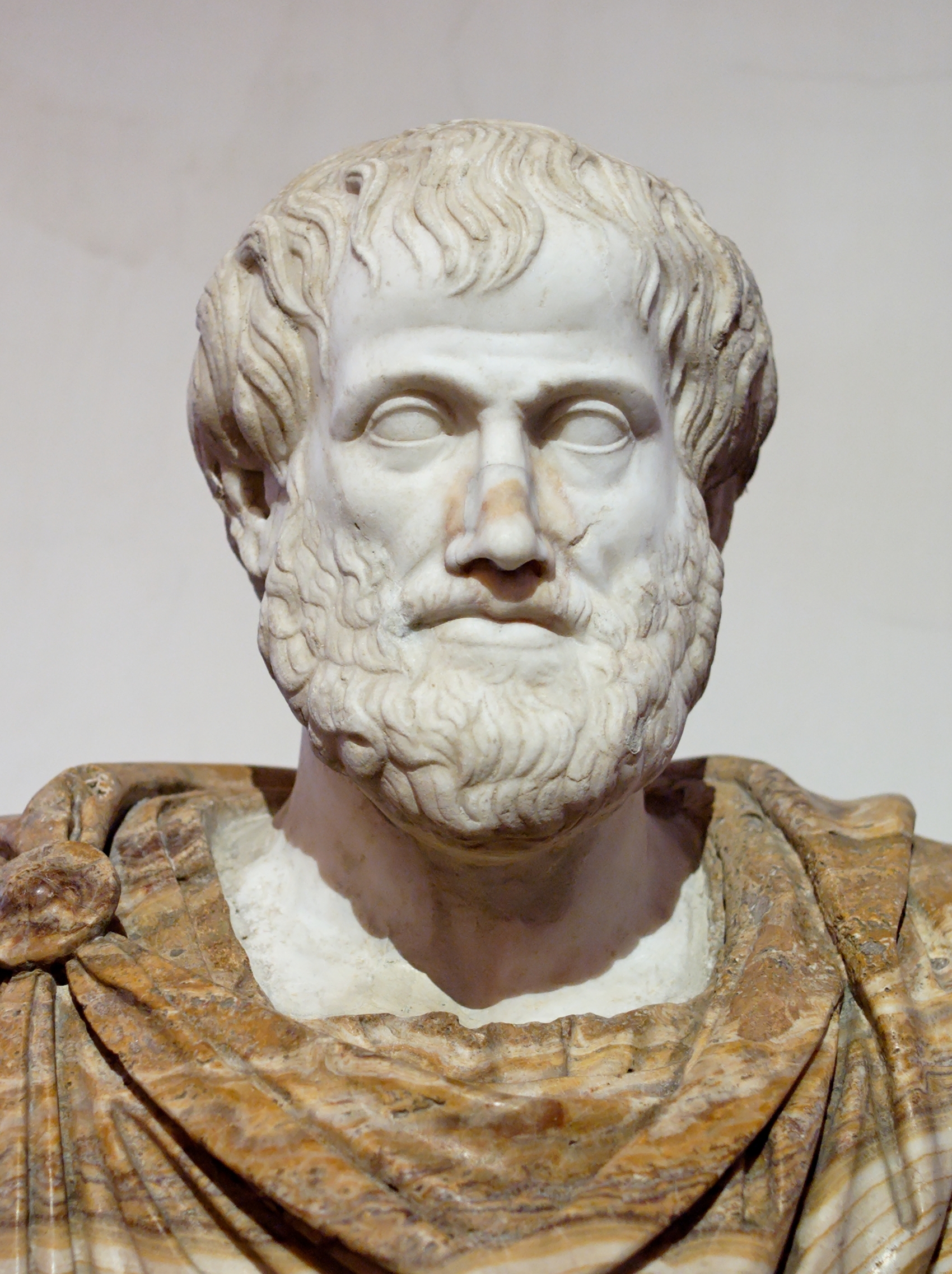
- “The reason why man is a social being, more than any bee and any gregarious animal is clear, because nature does nothing in vain. Only man, among the other animals, has the word (...) This exists to show what is convenient and what is harmful; what is fair and what is unfair. And this is what s typical from humans and differentiate them from other animals: possess, exclusively, the sense of what is good and what is bad, what is fair and what is unfair”    -Aristotle, Politics

- “Roman’s idiome -perhaps the most political village that we have known- used the expressions “life” and “be among men” or “die” and “stop being among men” as synonymous”    -Hannah Arendt, Human condition

- “Nature has made man good and happy, but the society corrupts him and makes him miserable”    -J.J. Rousseau (French philosopher)

-“From the fundaments of the State we deduce that its ultimate purpose is not to dominate men or shut them out of fear, but rather, to release them from fear to living surely, that is, in order to retain the right to have a natural existence. I repeat that the objective of the State is not to transform men from rational being to brutes and automatons, but their spirit and their body develop in all their functions and make free use of reason without hatred, anger or Rousseau do not allow that unfair wars . The real objective of the State is, therefore, the Liberty”    -B.Spinoza, Logical-political treaty

-“Pleasure which Government provide with has to be very big, because there are so may who aspire to do it”   -Voltaire

-“The greatest danger of the Governments is want to govern too”   -Count Mirabeau (French politician, writer and orator)

-“There are very few men who are so foolish and prefer not to govern themselves before being governed by others.     -Hobbes (English philosopher)

-"To be governed is to be watched, inspected, spied, legislated, regulated, indoctrinated, censured, commanded by beings who have neither title nor science nor virtue. Being governed means, in each operation, in each transaction, to be recorded, census, quoted, authorized, admonished, corrected. Under the pretext of public utility and on behalf of general interest, is to be exploited, monopolized, stolen; then, at the slightest resistance, at the first word of complaint, repressed, fined, humiliated, harass, beaten, imprisoned, shoot, machine-gunned, tried, convicted, deported, sacrificed, sold, betrayed, and on, mocked, scorned, dishonored. Here you have the Government, its morality and its justice!”                 -Proudhon, General Idea of the Revolution in the XIXth century


domingo, 15 de mayo de 2016

POLICY FOR AMATEUR


Title: Policy for Amateur 

Author: Fernando Savater

Year of publication: 1992

Editorial: Ariel


The ancient Greeks called idiotés to anybody that did not implicate in politics. This word meant “isolated person, who has nothing to offer to the others”. In the same line, Aristotle affirmed that we are citizen animals, beings of a political nature.


It is true that we are sociable animals, but not instinctively and automatically sociable as ants or gazelles. Unlike these species, we do not obey blindly what they order to us. Humans can invent different forms of society, transform the society where they have grown up and, if it is necessary, we have the possibility to rebel and violate the established rules.
In this sense, Kant said that men are “non-socially sociable”, because our way of life does not only consist in obeying and repeating; we also have to rebel and invent.


But attention: Savater says that we do not have to rebel against society, but against a determinate society. We do not obey because we do not want to obey anything or anyone, but because we want better rules to obey, and leaders who rule with a more respectable authority.

Politics is merely the set of reasons to obey and reasons to revolt against (whom do we have to obey?, in which do we have to obey? , why do we have to obey?, when, why and how do we have to rebel?).

Our nature is the society. Biologically, we are products of the nature, but humanly we are products and producers of the society. This society is in our service, but we also have to put in its service. Each of the advantages which it offers to us (protection, entertainment, assistance, company, etc.) comes with limitations, instructions, requirements, laws and rules. That is, comes with impositions.

These are not always conventions, they are not immovable part of the reality, but they can be modified or abolish if there is a new agreement among men. Reason would be the capacity to establish conventions, that is, laws which do not come imposed by biology, but which we accept voluntarily.

In the Antiquity power’s legitimacy supported in religious reasons or in the tradition.
Like it happens between ants or bees, some of them were born to order, and the others were born to obey.

Later Greeks arrived-as Savater said-and all started to change: they invented the polis, the community in space anthropocentric where do not govern the necessity of the nature or God’s enigmatic choice, but govern men’s freedom. This means their capacity to think, discuss, choose and dismiss leaders, create problems and set out solutions.

The name by which we know today this Greek invention, the most revolutionary of the Human History from a political point of view, is democracy. All citizens (not all men, and this is one of the major limitations of the Athenian democracy) are politicians, that is, administrative of their polis.


Currently, in our democracies, political parties become practically impervious to criticism and control of citizens due to the closed electoral lists and Parliament voting discipline. As a result, citizens renounce to think about public matters and they lose interest in policy. To this situation it must be added the corruption that occurs between many politicians and discredits this profession, the essence of which should be -as Aristotle affirmed- pursue the common good. 

ANARCHISM

Anarchism is the political doctrine which advocates the disappearance of the State and all of its representative organizations and institutions, and defends the freedom of the individual beyond any authority. 

Anarchism is influenced by Rousseau's idea that affirms that man is good by nature, and it is the society (or the State and its institutions) who destroys his happiness.

The most important principles of anarchist theory are these:

-The defense of individual freedom. 

-The rejection of any sort of authority -especially the State- and of any form of organization (political, religious or administrative). Capitalist State has to be destroyed because it is an estructure that makes possible the exploitation of the working class.  The mean to achieve it is the general strike, which will allow to ruin the bourgeoisie.

-Social organization has to organize itself from bottom to top, based on small self-sufficient communities and free choice of its members, expressed through universal suffrage. 

-The abolition of the private property and the collectivization of the goods. 

-The importance of the education to provide men and women of a critical thought that makes them free. 


The most important anarchist thinkers are these: 

-Proudhon (1809-1895), who is considered the founder of this doctrine.


-Bakunin (1814-1816), who was the first anarchist thinker that introduced his thought systematically. 


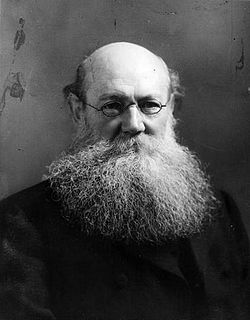
-Kropotkin (1842-1921), anarcho-syndicalism's representant. 


sábado, 14 de mayo de 2016

ARISTOTLE

Aristotle defends that the supreme good of man, the happiness, cannot be achieved if it is not in a determinate social order. Political philosophy has to find which is this order. This is a very important task (the most important of the practical philosophy), because the common benefit is more important than the benefit of each individual.  

So Aristotle argues that the objective of the city is to create the conditions in which its citizens can find the happiness. Only the city is able to provide us of suitable methods to have a truly human existence.

Political philosophy, therefore, has to find the most suitable conditions which allow that the most of the people get closer to happiness. The most important conditions are the laws, that allow young people to have the correct orientation, and that this orientation is not lost in adulthood.

So political philosophy occupies on the study of the laws, and its relation with the achievement of happiness.
These laws are registered in political regimes; thus it is necessary to study the justice or injustice of these regimes. That is, their adaptation or lack of adaptation to promote the good of citizens.

Aristotle thinks that the law only complies with its function of encourage political harmony when it is used as an instrument for justice’s realization.
The main obstacle to make political justice is the usurpation of political power by those who would use it for their own benefit after.  It is fair that Government’s actions are oriented to general good.

Aristotle presents three political divert forms that break with this principle of the “common benefit”:

1.  Tyranny, which is a Monarchy oriented to monarch’s interest.
2.  Oligarchy, which is an Aristocracy that only searches rich’s interest.
3.  Demagogy, which is a Democracy that only searches poor’s interest.

Any of these forms tries to find the benefit of the community. Because of this, Aristotle calls them “impure forms”. The “pure forms” are the ones that look for the profit of all the people.


UTOPIA I DISTOPIA


Utopia
Aquesta paraula la utilitzem en el nostre llenguatge quotidià per tal de referir-nos a tot allò desitjable però inabastable, alguna cosa que volem però que està més enllà de les nostres possibilitats presents o, fins i tot, futures. 
Amb el terme "utopia" es designa la idea o representació d'una societat ideal, fantàstica i imaginària, paral·lela o alternativa al món actual. És a dir, la utopia idealitza i projecta sistemes i doctrines de societats perfectes, funcionals i idònies. Per tant, té el seu origen enla insatisfacció o desacord amb la realitat soial existent. En aquest sentit, podríem considerar-la com un motor de canvi i de transformació social. Van en contra d'allò que està establert.
El concepte d'"utopia" també pot designar aquell projecte o doctrina que es considera idoni, però inviable o de difícil posada en pràctica. En aquest sentit, "utopia" també es pot considerar una manera optimista de concebre com ens agradaria que fossin el món i les coses. 
La utopia ofereix la base per crear sistemes de vida alternatius, més justos, coherents i ètics. 

Totes les utopies tenen una sèrie de característiques comunes:


En primer lloc, apareixen sempre en moments de crisi de les tradicions, les ideologies i l'ordre social vigent. Tenen, doncs, una funció crítica. Però, alhora, la seva funció és també constructiva, ja que ofereixen alternatives i cerquen maneres concretes de dur-les a terme. Per això presenten propostes clares de planificació social, normes de convivència, etc.

D'altra banda, es fonamenten en unes determinades concepcions de la naturalesa humana i del bé comú que impliquen certs valors ètis i polítics a partir dels quals construeixen una idea del que haurà de ser el nou ordre social. En aquest sentit, les utopies sempre ideen institucions que condueixin a una socetat perfecta.

Al llarg de la Història, diversos llibres han tractat el tema de la utopia. El primer i un dels més importants és La República de Plató, en la qual l'autor formula el seu pensament polític i les seves idees sobre com hauria de funcionar la societat per arribar al seu màxim nivell de perfecció. A l'Estat ideal proposat , cada grup social hauria de complir una funció determinada. La de governar correspondria als filòsofs, els savis. Recordem que, per a Plató, conèixer el Bé és realitzar-lo. Per tant, estaríem parlant d'un Estat en el qual els seus dirigents tindrien com a prioritat el bé comú i,per tant, la Justícia.


A l'Edat Mitjana, Sant Agustí a La ciutat de Déu, compara la ciutat terrenal amb la celestial, on es viurà en un estat ideal. Es tacta d'un model de societat basat en l'amor a Déu, el menyspreu d'un mateix i la comunió ideal dels virtuosos.

Durant el Renaixement, a través de les utopies s'analitzen de forma crítica els canvis de l'època i es descriuen les aspiracions i necessitats dels diferents grups socials, especialment dels més  febles.


En aquest període destaquen tres utopies:


1)El terme "utopia" va ser inventat per l'escriptor i humanista anglès Thomas More, a partir dels vocables grecs ou, que significa 'no', i tópos, que vol dir 'lloc': per tant, 'lloc que no existex'. 
A la seva obra Utopia concep l'illa de Utopia com una societat comunal, racionalment organitzada, en la qual les cases i els béns són de propietat col·lectiva i no individual, i les persones passen el seu temps lliure llegint o fent alguna activitat relacionada amb l'art. Per tant, aquesta societat viu en pau, tranquil·litat, justícia i harmonia.  

2)Francis Bacon, filòsof, polític, advocat i escriptor anglès del segle XVI, va escriure la primera utopia científica o tecnològica. A la seva obra Nova Atlàntida, parla d'una illa governada per intel·lectuals i científics i fa una apologia de les transformacions tecnològiques.


3)Tomàs Campanella, a Ciutat del sol, descriu la seva utopia política. Ens presenta una societat  governada per sacerdots a la qual regna la concòrdia, no existeix la propietat privada i l'oci té una paper molt important (es treballen només 4 hores diàries).


A l'Edat Moderna, la utopia passa a ser concebuda com un ideal realitzable. Es considera com un futur ideal cap a la realització del qual camina la història. Al darrere d'aquesta nova concepció il·lustrada hi ha la idea de progrés, alimentada pels avenços de la ciència i la tècnica. De la mateixa manera que la realitat física i natural es transforma gràcies a aquests, a la Història existeix també un progrès cap a un món millor, lliure d'injustícies.

Un exemple d'utopia il·lustrada és la del filòsof francès Rousseau (1712-1778) qui, a la seva obra Emili analitza el model educatiu adient per tal de desenvolupar la bondat de l'ésser humà.

Quant a  les anomenades  utopies socialistes (segles XVIII i XIX), tenen el seu origen, d'una banda, en la convicció  que l'ésser humà és capaç de transformar la societat i, d'una altra, en la desil·lusió davant els resultats de la Revolució Francesa. Aquesta havia declarat la igualtat de tots els homes, però no havia fet res per millorar les condicions de vida de les classes treballadores.


Aquest tipus d'utopies poden agrupar-se en tres blocs:

-socialsme utòpic: confia en la bondat humana i concedeix molta importància a l'educació com a mitjà per aconseguir una societat emancipada. Proposa la creació de comunitats on els homes i les dones viurien sense que ningú els dominés. A aquest gru pertanyen autors com Saint Simon (1760-1825), Fourier (1771-1837) i R. Owen (1771-1858),entre altres.

-Socialisme científic o comunista: afirma que les transformacions econòmiques conduiran a una revolució  de la qual sorgirà, paulatinament, una societat sense propietat privada i sense classes. Els seus màxims representants seran Marx (1818-1883) i Engels(1820-1891).


-Socialisme anarquista: representat per Proudhon (1809-1865), Bakunin (1814-1876) i Kropotkin (1842-1921), defensa la supressió de tota forma d'autoritat i la creació d'una organització comunitària de la societat.


Distopia 

Al segle XIX apareixen una sèrie d'escriptors i de cineastes que denuncien situacions no desitjables. Es publiquen diferents novel·les on expressen el seu rebuig a aquestes situacions. Aquest gènere literari rep el nom de "distopia".

Una distopia és un relat que ens presenta un lloc imaginari on la gent porta una vida deshumanitzada i, sovint, hi domina la por. S'anomenen també "antiutopies" o "utopies negatives"


És un terme oposat a "utopia", ja que imagina una realitat futura que transcorre en termes oposats als d'una societat ideal. Es tracta d'una societat fictícia on les tendències socials es porten cap a extrems apocalíptics. Amb això, la distopia pretèn explorar la societat per tal d'anticipar com certes maneres d'organitzar una societat poden derivar en sistemes totalitaris i injustos.

Algunes característiques de les distopies són les següents: en primer lloc, ens mostren imatges de futur on es pateix una involució cap a estadis més primitius. D'altra bada, s'intenta evitar un destí fatal. A més, tracten d'afrontar problemes del món modern, com l'explosió demogràfica, la contaminació mediambiental o la lluita pel poder. El món representat per les distopies està dominat per les grans multinacionals tecnològiques i els governs esdevenen cada cop més irrellevants. 

La literatura distòpica neix el 1921, quan l'ingenier rus Yevgeni Zamiatin publica Nosaltres, presentant uns éssers sense nom que pateixen sota un poder absolut. Veiem com la distopia imagina un futur que manca de privacitat i llibertat, en la qual la ciència i la tecnologia  serveixen per a què unes èlits esclavitzin la humanitat. 
Després de la publicació de Nosaltres, destaquem uns altres tres llibres  que presenten societats distòpiques: Un món feliç, d'Aldous Huxley, 1984, de George Orwell i Farenheit 451, de Ray Bradbury. Tots tres parlen del totalitarisme, la industrialització i les guerres mundials.
A Un món feliç, Huxley imagina una societat que utilitzaria la genètica i la clonació per al condicionament i cotrol dels individus. L'obra descriu també el que seria una dictadura perfecta amb l'apariència d'una democràcia.

1984, de G. Orwell analitza el poder totalitari i el problema de l'individu contra el sistema


Farenheit 451, de R. Bradbury, es una crítica ferotge contra la societat nord-americana de 1953.


El cinema també s'ha fet ressó d'aquest tipus de societats futures mancades de llibertats i governades per poders autoritaris i, en molts casos, arbitraris. Alguns exemples podrien ser Los juegos del hambre (Gary Ross, 2012) , El corredor del laberinto (Wess Ball, 2014) o Divergente (Neil Burger, 2014), entre d'altres


viernes, 13 de mayo de 2016

NICCOLÒ MACHIAVELLI

Niccolò Machiavelli was an Italian diplomat of the XVIth century. 

BIOGRAPHY


He was born on May 3 1469, in Florence, Italy. By this time, Italy was divided into different states, which had a particular Government. He was a diplomat for 14 years in Italy's Florentine Republic during the Medici family's exile. Afterhis involvemen in an unsuccessful attempt to organize a Florentine militia against the return of the Medici family to power in 1512 became known, Machiavelli was accused of conspiracy, imprisoned, tortured and temporarily exiled and banished from an active role in political life. He then wrote  The Prince, a handbook for politiciand that established him as the 'father of modern political theory'. He died on June 21 1527, in Florence.   

THE PRINCE


This political treatise is his most well-known work. In it, the author outlined his vision of an ideal leader: an amoral and calculating tyrant. Also he explains what a prince has to do to maintain the power. He summarizes it in three points:


1. Annihilate the competence. To rule a modern state, the first thing that a prince has to do is kill the fmily of the previous prince.

2. Manipulate the citizenship. The prince has to subdue the people into his own choice. 

The prince has absolute power and he has to balance the interests of citizens to remain in power. 

3. Disassociate the ethics from the politics. To preserve the power, the prince has to do whatever. I doesn't matter if the means aren't ethical, because always "the purpose justifies the means". 
With this principle he breaks with the vinculation that Plato and Aristotle established between ethics and politics. 

INFLUENCES 


Machiavelli defends that humans do not have a natural moral to stop his insatiable desire and ability to make you conform to ethical principles. He says that humans have an invariable selfish ambition that rules their actions. This idea is defended by Hobbes too, who recognise the wickedness as a intrinsic property. 


He also influences in Montesquieu, in the consideration of political communities, law’s function and admiration for the old republics.  

Rousseau read Machavelli’s ideas too, and took from them the ideals of a civic community, and the primacy of it beyond the particular interests. Rousseau defends the general interest, because man only can be free in the community, but he is not agree with the separation between ethics and politics. The French author thinks that politics always has to improve human’s moral. 
   
Machiavelli's work determined the modern politician thought in relation to the monarchical power development and the Modern States. This is the model of state that, after the colonial expansion of the XIXth century, spread around the world. 
Some historical characters, like Napoleon or Winston Churchill, has inspired in The Prince to govern. 

Ambivalence in his thought mkes that there are some dfferent interpretations of his work. Nowadays, he is still considered a classic. 


domingo, 3 de abril de 2016

ÈTICA PER AL MEU FILL

Al seu llibre Ètica per al meu fill, el filòsof Fernando Savater tracta algunes qüestions essencials relacionades amb l’ètica i la moral.

Un dels conceptes claus és el de llibertat. Citant Erich Fromm, afirma que la vida de l’home no pot “ser viscuda” repetint els patrons de l’espècie, sinó que és ell mateix
–cadascú- qui ha de viure. És a dir, que l’home no actua mogut per instints com fan els animals, sinó que ha de decidir què fa a les diferents situacions que se li presenten a la seva vida. I això suposa que és un ésser lliure, que pot (i que ha d’) escollir.
Aquesta característica essencial de l’home implica que ha d’assumir les conseqüències dels seus actes.

L’ètica, afirma Savater, s’ocupa del que cadascú fa amb la seva llibertat. És l’art d’escollir el que ens convé i viure el millor possible. El contrari de ser “moralment imbècil”, assegura el filòsof, és tenir consciència. Aquesta consisteix en el següent:

a) Saber que no to tot és igual perquè volem viure i, a més, viure bé, humanament bé.

b) Estar disposats a fixar-nos en si allò que fem correspon al que realment volem o no.

c) Anar desenvolupant, a base de pràctica, el bon gust moral, de manera que hi hagi certes coses que, espontàniament, ens repugni fer.

d) Renunciar a buscar coartades que dissimulin que som lliures i,per tant, responsables de les conseqüències dels nostres actes. Quan hem fet alguna cosa de la qual ens avergonyim, procurem assegurar que no vam tenir més remei que actuar d’aquella manera, que no vam poder escollir (“seguia ordres dels meus superiors”, “vaig limitar-me a fer el que feia tothom”, “vaig perdre el cap”, “és més fort que jo”, etc.). És a dir, ens confessem “esclaus de les circumstàncies” per tal d’eximir-nos de les responsabilitats.

En relació al primer dels punts anteriors, el de la vida humana, Savater sosté que “per tal que els homes puguin fer-me humà, jo he de fer-los humans a ells; si per a mi tots són com coses o com bèsties, jo tampoc seré millor que una cosa o una bèstia. Per això, donar-se la bona vida no pot ser diferent a donar la bona vida, és a dir, tractar les persones humanament. Això implica tractar els altres com a iguals i, per poder-ho fer, se’ls ha de comprendre “des de dins”, posar-se a la seva pell i, per tant, tenir en compte els seus drets i relativitzar els nostres interessos per harmonitzar-los amb els seus.

El que li interessa a l’ètica, continua, és com viure bé la vida humana, la vida que transcorre entre humans. Si un no sap sortir-se’n per sobreviure als perills naturals, perd la vida, però si un no té ni idea d’ètica, el que perd o malgasta és allò humà de la seva vida.
Savater fa seves les paraules d’Erich Fromm quan afirma que la màxima “no facis als altres allò que no vulguis que et facin a tu” és un dels principis fonamentals de l’ètica, però que és igualment correcte afirmar que “tot el que facis als altres, t’ho fas també a tu mateix”. I és que quan actuem de forma incorrecta i fem mal a algú, alhora ens estem perjudicant a nosaltres, ja que ens estem degradant com a persones.

Per acabar, Savater ens recorda també les paraules de Séneca quan sosté que “el valor de tota virtut rau en ella mateixa, ja que no es practica en ordre al premi, sinó que la recompensa de l’acció virtuosa és haver-la realitzat”.